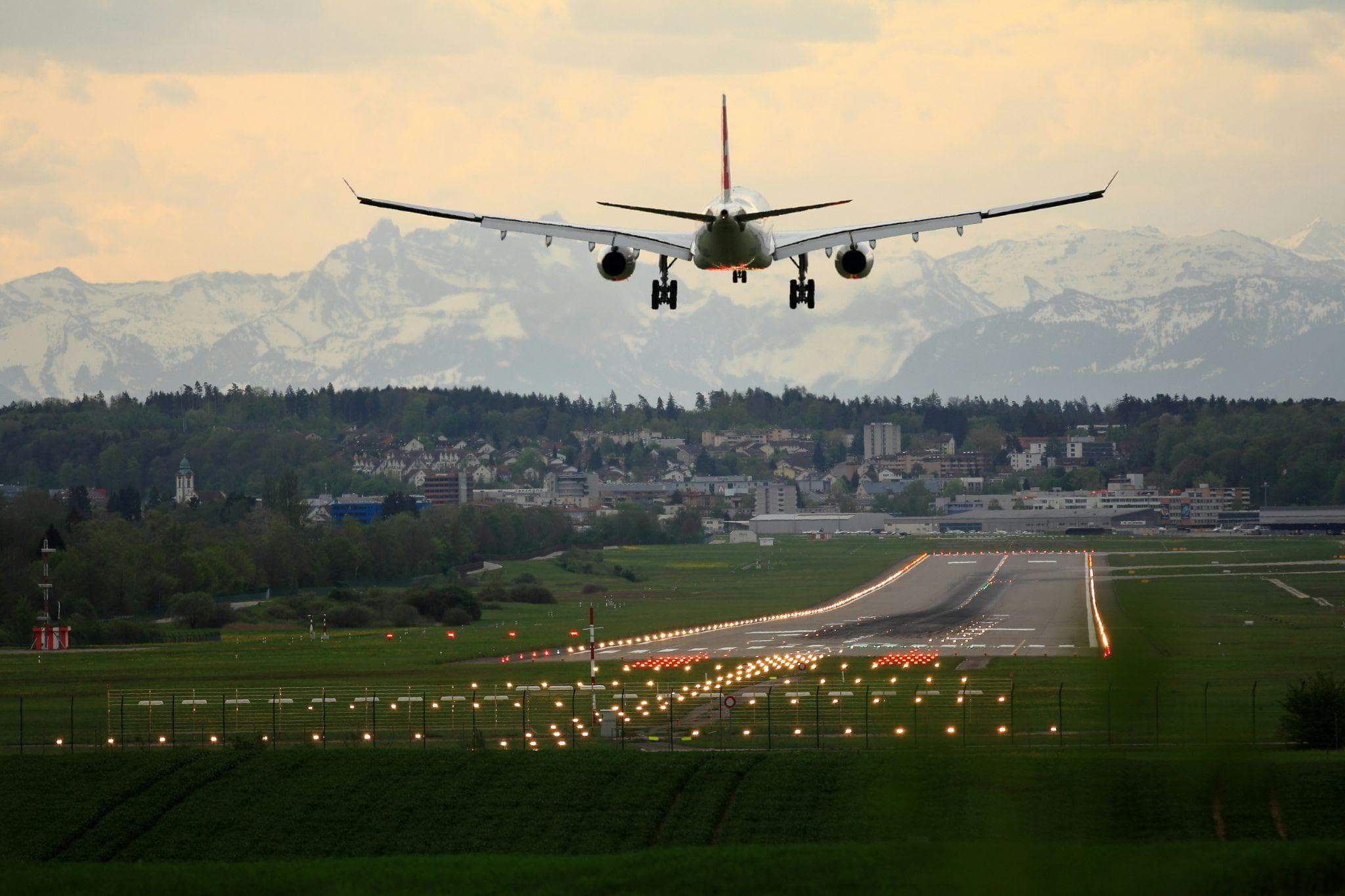
The Future of Air Travel: What Airports Might Look Like in 2050
Everyone walks into an airport expecting movement. You arrive thinking about your gate, your bags, your timing, and it is surprising how quickly your mind accepts the noise, the lines, the constant shuffle of people heading somewhere else. Airports feel functional. They feel busy. They do not always feel inspiring.
But when you look ahead, you notice a quiet change. What once stayed tied to long lines and paperwork is slowly turning into something more fluid. Teams around the world are already imagining airports that work differently, places that don’t just move people around but guide them gently from one moment to the next.
How Airports Evolved and Why Change Feels Inevitable
Early airports focused on getting planes in the air, and everything else was secondary. Travelers carried paper tickets, waited in long queues, and moved according to whatever system happened to be in place that day. As technology improved, airports grew larger and more organized, and eventually digital systems took over tasks that once slowed everything down.
By 2050, this evolution will not just continue. It will expand even further. Smart tools that once felt experimental will become the standard, helping airports operate on several layers at once. Automation handles routine tasks. Software predicts crowd patterns. And sensors read what is happening in real time.
The gap between today’s experience and tomorrow’s possibilities keeps widening, and airports will be forced to change from simple transit spaces into something closer to fully connected ecosystems.
Physical Design
Even with all the digital progress, the spaces we walk through still shape our experience. Natural light changes mood, green spaces soften the noise, efficient layouts reduce stress without people noticing why they feel better, and physical design remains powerful because it grounds you in something real.
By 2050, sustainability will be the anchor of airport architecture. Solar fields, wind energy, advanced recycling, and materials that conserve heat or release it slowly. Terminals will be designed with airflow and daylight in mind–lounges that feel less like waiting rooms and more like calm zones inside a busy world.
Travelers may not point out every detail, but they will feel the difference. Cleaner environments, healthier air, and a sense that the building itself supports the planet instead of draining it.
Where Comfort Steps In and Reshapes the Passenger Experience
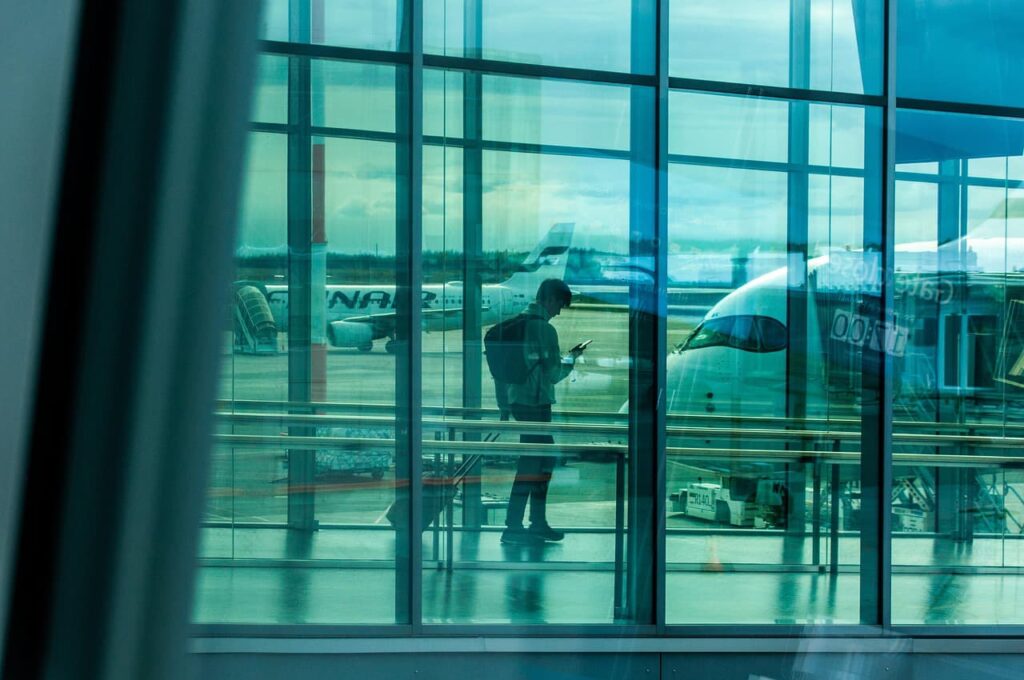
Most people today expect airports to be tiring. Seats too close together, screens buzzing with information, food that tastes like it was made mostly out of obligation. The 2050 airports will try to rewrite that expectation.
Waiting areas will definitely shift toward comfort and choice. Interactive zones will help you explore destinations before you even board. Wellness spaces will give travelers a place to breathe, stretch, and reset, with restaurants focusing on real meals, not just quick snacks you pick because you are out of options.
Data will help personalize some elements, but the heart of the experience will stay the same. Travelers will feel seen and supported instead of rushed through a system.
Airports Will Connect More Deeply With Their Cities
Right now, airports often sit far from the places they serve, almost like separate worlds. Getting to them requires a full plan, and most people just hope traffic cooperates. In the future, that distance will begin to shrink.
High-speed rail, autonomous shuttles, and smart public transport will push airports closer to the rhythm of their cities. Some may even blend into multi-use districts with business centers, hotels, gardens, and cultural spaces forming part of the larger design.
The airport will stop being an isolated outpost. It will become part of the city’s daily life, and that shift makes travel feel more continuous and less fragmented.
Security
Security has always shaped the airport experience, sometimes more than anything else. The future does not remove the need for safety. It just changes how it works.
Scanners will become faster and less intrusive. AI will monitor patterns instead of relying on long lines. Digital protections will strengthen in ways passengers rarely see. The goal is calm movement, not constant interruption.
By 2050, security might feel almost invisible, yet more effective. Travelers will move naturally, unaware of the systems working quietly around them.
What the Next Chapter Probably Looks Like
The next phase of airport design is already forming in pieces. Real-time environments. Smarter sensors. Renewable power built directly into structures. Lighter materials that hold up better. Cleaner transport that links every part of the journey.
For travelers, the experience will become deeper and more intuitive. For designers, the lines between planning, operations, and technology will blend into each other.
Airports will stop being places you have to pass through. They start becoming places you do not mind returning to.